
J.GARDEN didn’t start until 11AM, but the thing you learn fast with attending events is that you have to get there early. While the staff try to make it fair by holding lottos and raffles to randomize how and when people enter the venue regardless of when you actually show up, etc. you still get there early. There are more than 13 million people living in Tokyo, and even if just a small fraction of them care enough about original BL to want to attend J.GARDEN, you want to up the odds of getting in and getting the books you want as much as you humanly can.
There’s a reason many otaku refer to event days as “war”—you need to go in with a game plan, or you’re going to lose. And Sou and I were already at a rough start, because we’d missed the chance to pick up a pamphlet on pre-order. They’d sold out within the first four days of release, and we hadn’t been given the okay to attend until the fifth day. So we were kind of screwed. Nonetheless, we did what we could with what we had—which was Twitter’s #J庭54 hashtag, the official J.GARDEN site, and tons of passion for BL—and decided we’d torture ourselves getting up at 5AM day-of, come down early, get a pamphlet, and do our best to plan in the time between obtaining it and when doors opened.

After a very long and sleepy train ride, we arrived at around 7:35AM to almost no indication of J.GARDEN actually taking place. I’d previously only attended J.GARDEN while it was still being held in Sunshine City, and while there were never tons of signs, it never seemed this secret. After a bit of walking (thankfully, after attending enough events, you just naturally know which direction to go) we finally found a single small sign notifying us of wristband and pamphlet pick-up.
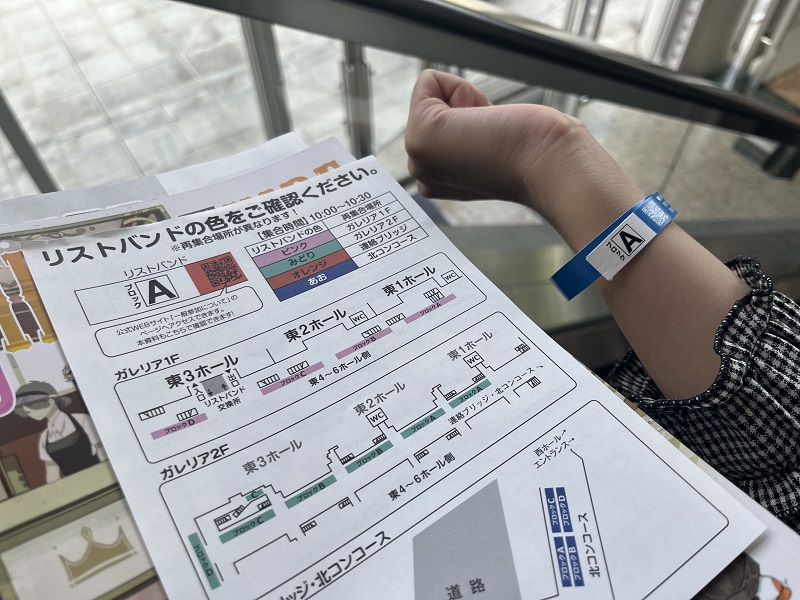
The line was already two halls long, so who knows how early people had started showing up. Thankfully, pamphlet sales opened at 8AM, so it didn’t take too long before the line started moving. After a good bit of walking, and then standing, and then walking, and then standing some more, etc. etc. we finally got to the front with the pamphlet sales, swiftly ripped out our wristband ticket, got in another line to exchange that for a wristband, and then were asked to reach into a blind box to “choose” a wristband for ourselves.

Each wristband was colored in pink, green, orange, or blue, and then marked as A, B, C, or D. Mine was C, so I was sure I was getting in last, whereas Sou’s was A. However, Sou quickly pointed out that the colors seemed to actually matter most, and it was pink who were the closest to the hall, with green (me) coming second, orange third, and blue coming last (r.i.p. Sou). The letters only mattered for where you stood in your color.
Thankfully green C was right above 東3 (higashi-3, or the 3-east), the hall where J.GARDEN was taking place. Which reminds me, I should probably explain Tokyo Big Sight for the uninitiated.
Tokyo Big Sight is a huge convention center way down in in southern Tokyo by the bay. (Both Sou and I live in northwest Tokyo, so it’s quite the jaunt.) The landmark tower that gives the building its looming presence is a giant meeting hall, with three huge convention halls (south, west, and east) surrounding it. Depending on how big the event is, all of the halls may be in use, or just one, or even just a section of a hall. Something like Comic Market or Design Festa will likely have all halls open and ready, whereas a mid-size doujinshi event like Comic City or HaruComi will have one hall open.
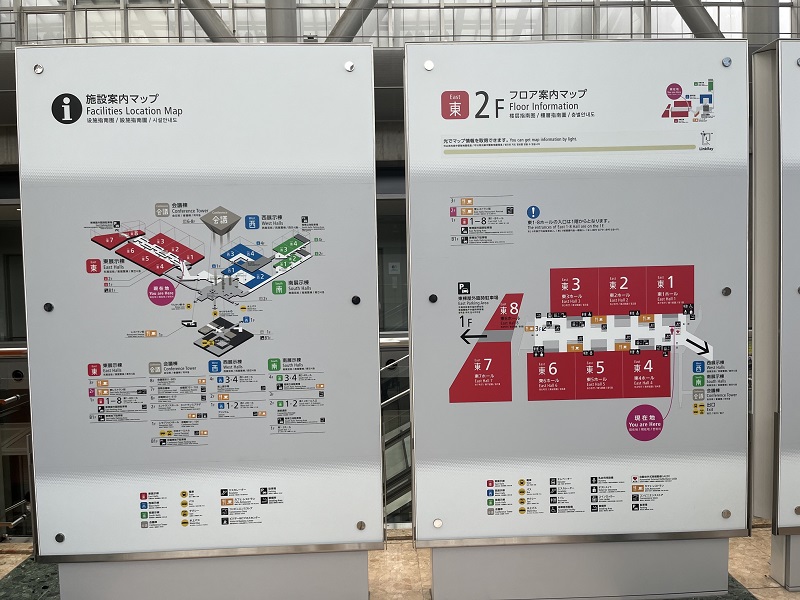
In J.GARDEN’s case, it was quite a small event so it only had the third section of the east hall. This gave plenty of wall space to open the doors and let in air (and let out the long lines—which we’ll discuss later) but also made it feel intimate enough that you weren’t scurrying from hall to hall to find your favorite artists.
After our wristbands were procured and we’d accepted our fate, we headed over to Starbucks for the Planning Stage.
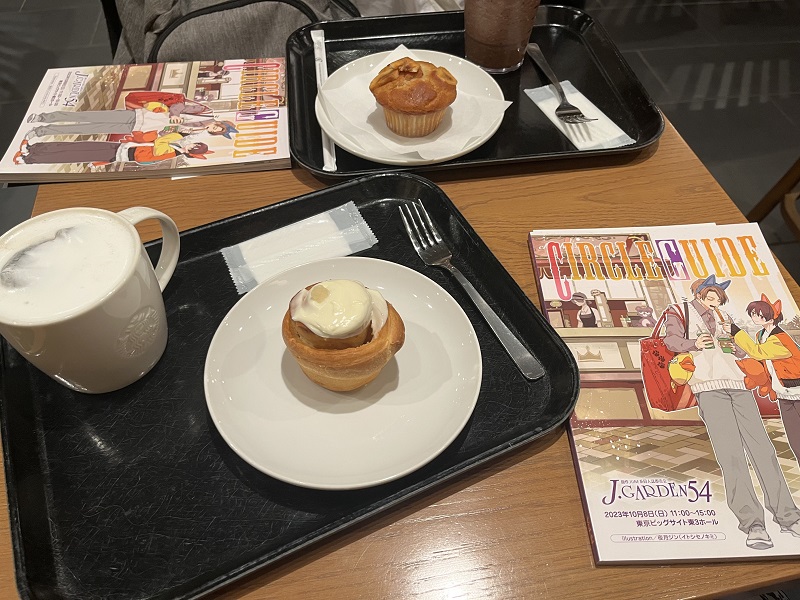
For me personally, when I’m going to a doujinshi event, I like to plan the day before. I’m someone who makes an Excel spreadsheet listing each artist, their table number, book title, pairing, price, etc. I also like to print out the map in advance and color-code the tables from which books I NEED, which books I really really want, and which ones to just check out.
But we didn’t have the pamphlet (and thus the map and full table list) until day-of, and had only an hour at Starbucks to get the job done. Actually, less than an hour. Because the line was horrendous—but I guess it was good practice for what we’d be doing the rest of the morning.

We’d already made cursory lists based off which of our favs had posted to Twitter, and made sure to mark them. When planning for an event, my huge suggestion is this: go for the あ tables first. These are the tables around the edge of the hall, and they’re placed there for a reason. See, if a table is placed on the edge, they can open the huge doors and redirect the lines outside before they clog up the rest of the hall. All あ tables are placed there because they’re artists who’re already famous or exceedingly popular, or have a history of selling massive amount of books at events while racking up a gigantic line of people.
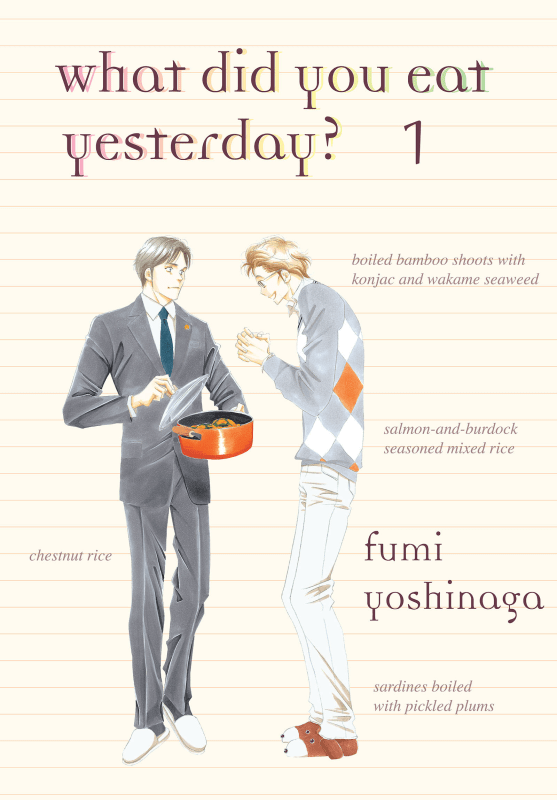
This time, the あ tables contained a variety of big names, many of which are available on Renta!—including but not limited to Hachisu, Makine Kureta, Jyanome, Ayato Miyoshi, Ito Agata, Roji Akira, and Jimi Fumikawa. There were also some incredibly OG mangaka, such as Fumi Yoshinaga, Kotetsuko Yamamoto, and Neneko Narazaki. The perfect opportunity to meet them and drop off a fan letter.
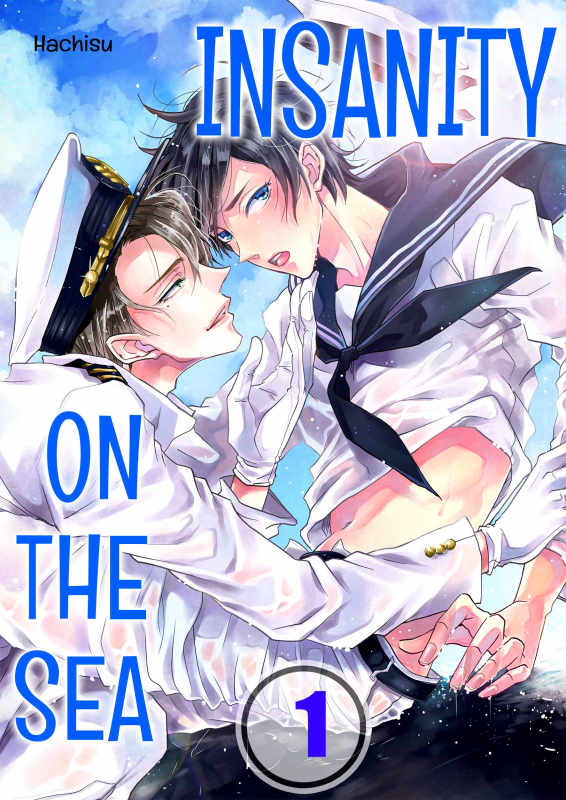

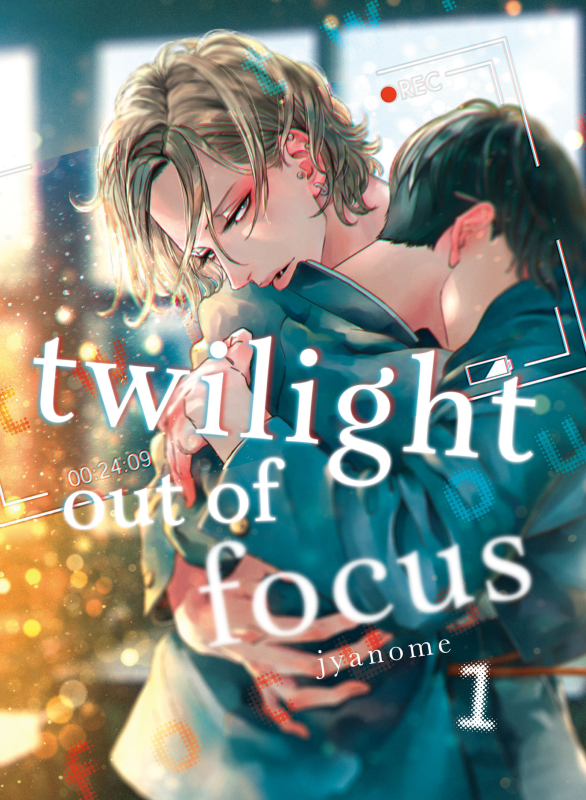
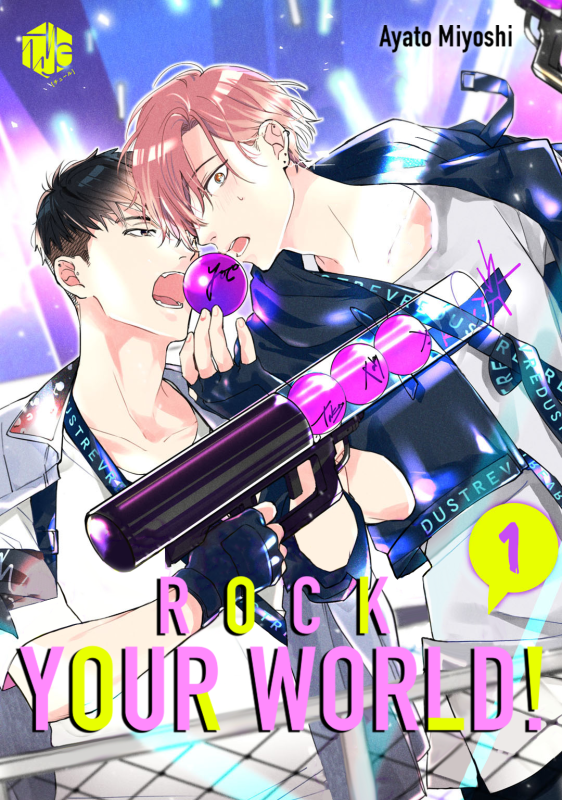
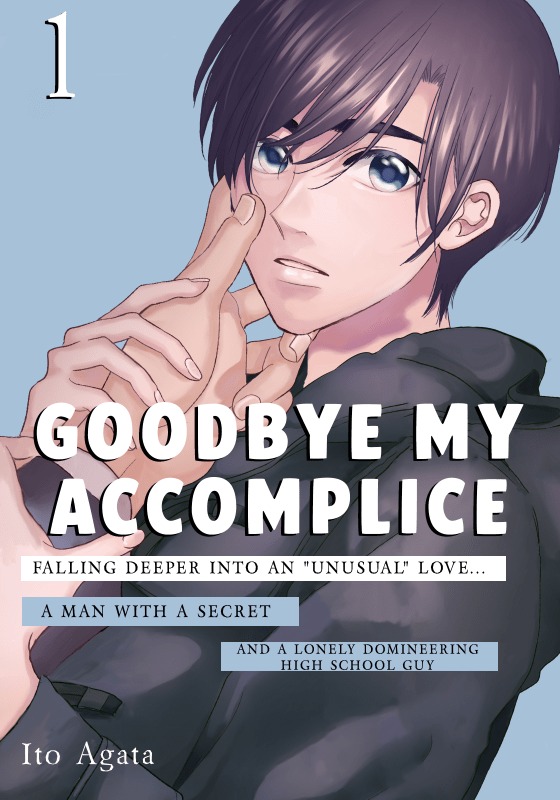
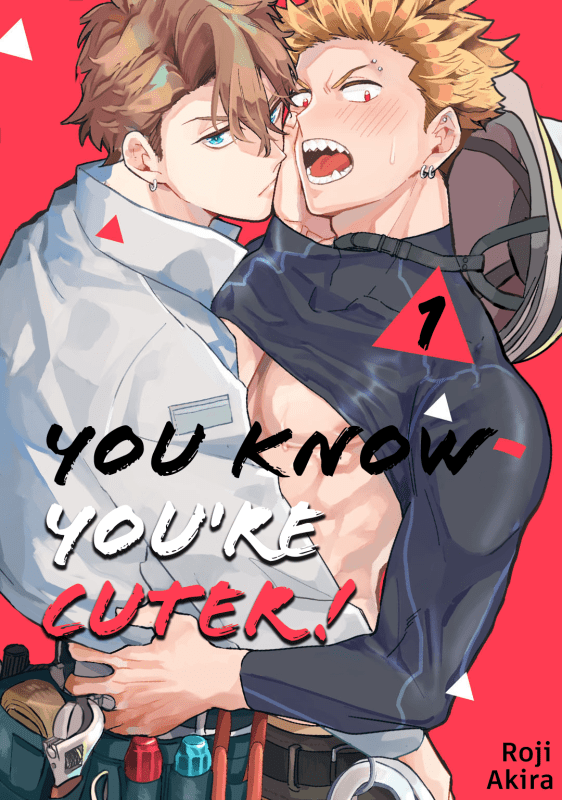
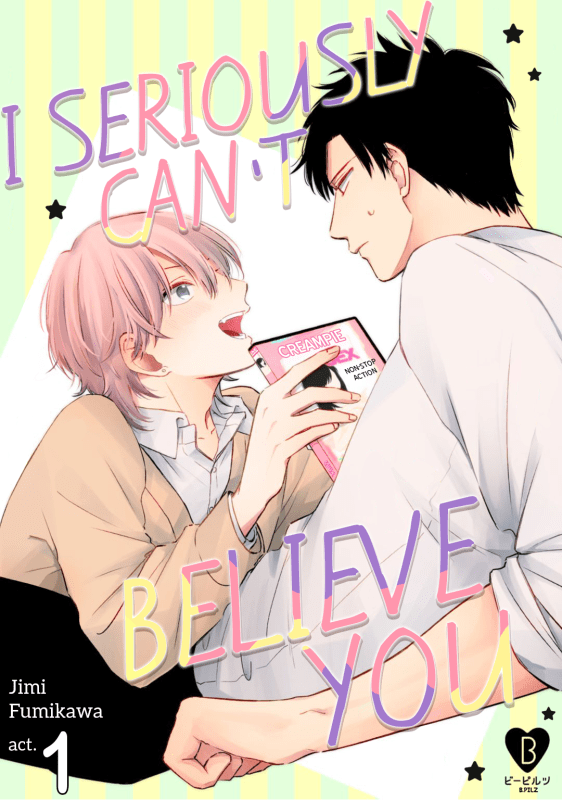
Crowd control at these events is very important. You have massive amounts of people desperate to get the books they want, in a relatively enclosed space. Huge shout-out to all the planning and staff that goes into making sure these events aren’t just a miserable experience for everyone any time they occur. Whenever a line starts getting out of hand, the staff are quick to jump in with their handmade “END OF LINE” signs and red tape to start marking out lines on the floor and making everything orderly again.
The rest of the floorplan is then broken in genres, which you may already know if you’ve read our interview with Merry. In order to make it as easy as possible to find the content you want (and avoid the content you don’t), each table is grouped into sections like “Verse” (omegaverse, sub/dom, etc.), office workers, school life, daily life, explicit, age difference, college life, youth, kemomimi and beast, fantasy, and—this event’s “specialty” genres, of which they always have two—manly bottoms and horror/occult. I personally tend to ignore the genre markers, since I’m the type who’ll eat almost anything if I like the art enough, but they can be particularly useful to avoid content you find uncomfortable!
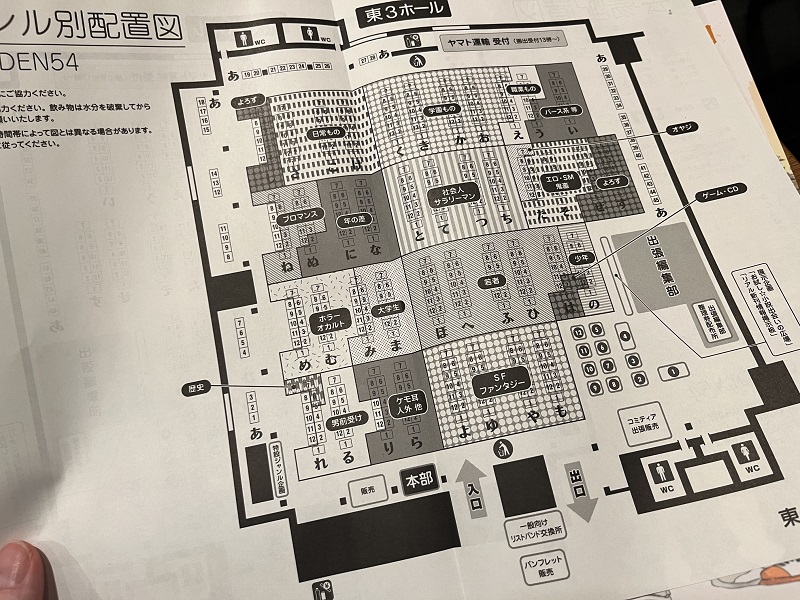
Once we had all あ tables planned, and knew where to go first to make sure we were in line before they sold out (and some artists sell out fast—sometimes as quick as the first half hour), we finally cracked the pamphlets open to see who else to check out. Some artists I love were actually not on the wall (Noda Nonda and Ame) so I had to be careful to mark and check them out relatively quick, since not being on the wall often means bringing less books, so there’s still a chance they might sell out before you get over there.
See? This is why they call it war.
Anyway, an hour at Starbucks later, it was time to line up. The line (aka the zones on the wristbands) “opened” at 10AM, so it was an hour of just standing there aimlessly until they funneled everyone in around 11AM when doors opened. Meanwhile, all the artists were inside the hall, setting up their tables, giving their uriko a pep talk, and making sure everything was organized.
As someone who’s uriko‘d before, I know well the stress and anticipation of waiting for the doors to open on both sides.
“Will anyone come to my table?”
“I hope they like my book.”
“I hope everything goes well.”
“I hope my readers aren’t disappointed.”
Doujinshi events are equally stressful and fun for both the participants and the attendees. The people standing behind the table may seem intimating and larger than life, especially the long-published authors you’ve loved for years, but they’re equally there to share their love for BL manga and mingle with fellow fans. Never be afraid to purchase a book, or give fan letters, or tell them how much you love and apreciate their work.
Do be careful about sashiire, though, FYI. These are the little gifts that are common at these kind of events, and many mangaka request you only give specific things (usually limited to fanletters) to prevent them from receiving too many, or things they can’t use and then have to feel bad wasting or giving away. I suffered this fate at my first ever event, when I tried to give my favorite mangaka a sashiire only for her to have to reject it, since I didn’t properly check what she can accept (no food, in this case). Sad and uncomfortable for both of us.
(Sou will be writing a post about event etiquette later on—probably released around Comiket—so please look forward to that!)
Finally, the clock struck 11AM, and my group was paraded down the stairs and to the event hall. We’re not allowed to run, but people who attend these events do everything in their power to walk extremely fast in a way that can’t quite be referred to as running (but it totally is). My first target was Okita Yuuho, an artist who released three books in succession early this year and has been trending ever since. I knew her line would be a disaster, and I was right. I got into the hall pretty early, but was still in her line for more than 20 minutes AND her new set sold out before I could even get to the front (thankfully, her new book and sticker sheet was still available). The whole time I was in her line, I watched as it got longer and longer, and more and more unruly while the poor staff desperately tried to contain it.
After that I went to Jimi Fumikawa’s line, which was thankfully a bit more quiet and contained, possibly because she released a continuation of a rather old work (but one I was anxiously awaiting nonetheless). After Jimi Fumikawa was Yoshida Yuuko (one of my all-time favorite authors, who we unfortunately don’t have on Renta!), and at that point I’d gotten all the books I NEEDED on my side. Sou and I decided early on that we’d split up, with my taking あ01~20, and them taking あ21~40. I occasionally texted them asking how things were going, and after confirming we were both fine and things were (mostly) going as planned, we continued our quest.
After あ, was complete, we moved in to the center. I picked up Ame and Noda Nonda’s books and gave my kansou (telling them how much you love their work) before moving on to the artists who I hadn’t planned to buy, but had piqued my interest. After all those tables were done, THEN I just did a general round, looking at each table and buying a handful more random books that I’d missed the first time around.
At this point, both of us were unbelievably hot and exhausted. Even when they open the giant doors, the excitement and frenzy of thousands of people in one space still makes it incredibly hot. Plus, Tokyo fall is often on the warmer side, easily staying in the 70~80F range. So we finally met back up, agreed to grab a snack and drink, and sit for a while to take notes and discuss the happenings thus far.
To be honest, this is usually the point you’d go home, exhausted but victorious. But since we were there for work, we’d have to go back in to take a more “professional” look at all the booths and the general atmosphere. Plus, my friend was tabling and I still hadn’t gone down to do aisatsu (greetings and offering sashiire or snacks) with her yet.
Unfortunately, of the books I’d really wanted, one artist was kesseki (no-show, which happens for a variety of reasons), one had a printing mishap so was there only for aisatsu with her fans, and one sold out. Plus, there were a few artists I’d wanted to check out but their lines were just too long and I was too exhausted. So it wasn’t a complete victory. But I got Jimi Fumikawa’s book, which was the one I 100% absolutely furiously needed (every event has That One Book), so I was still happy.
Sou and I traded books and paid each other back, discussed how things had gone so far, rested our weary feet, and then readied ourselves to go back in.

In order to re-enter to you needed to show both your wristband and your pamphlet or receipt (because they’d run out of pamphlets about halfway through the day). I forgot to mention earlier, but the pamphlet is essentially considered your “ticket” when it comes to J.GARDEN (and possibly other events by the same company), so purchasing it and having it with you isn’t an option—you need it to get in and also to receive your wristband.
The first thing we did was visit with my friend, Breeze, a multilingual, multicultural person who’s experienced tabling in a variety of countries, from Japan to Korea to the U.S. After giving her an offering of gummies and greeting her assistant, we discussed why J.GARDEN and these kind of events are so important. “This is how you get your name out there,” she said, nodding to herself. “What a lot of people don’t realize is that many people become mangaka by going to these type of events, networking and building a fanbase, and eventually getting scouted.” Plus, releasing books at these small events is a wonderful way to practice storytelling, not to mention art, design, etc. Many people who release doujinshi do the whole book by themselves, from story to art to design to sending it off to the printer. It’s a true labor of love.
After that, we finally headed to the industry booths. The first thing that caught our eye was the huge wall of novel pages. While doujinshi events are well-known in the west for selling comics, novels are actually equally common. However, without the push of stunning artwork on a big poster behind your table, the novels can be a lot harder to sell in such a frenzied environment. For this reason, they’ve implemented a huge wall of novel excerpts, displaying the first page, a description of the novel, genre, characters, etc. and then the table where you can buy it. This way, there also aren’t a bunch of people loitering at tables, clogging up the rows while they read novel samples.
Sou and I read a bunch of the inserts and descriptions, and then got excited to see one novel had an American seme character named Dick. Part of me wishes I would have bought it, but I already have so many BL novels at home I’m struggling through reading, so it’s probably for the best. If it was meant to be, I’ll see Dick again someday at some other event.
Next to the wall of novels were the industry booths, and behind them was the 出張編集部 (shucchou henshuubu). This section is scattered with publisher booths, each one staffed by two or three of the manga department’s editors. These people come to events with the intention of providing feedback to any aspiring mangaka who hope to go pro someday, and at the same time, if they see someone they find promising, they can scout them. An artist can bring their book, and sit with a publisher who’ll look it over with them and point out what their strengths and weaknesses are. If you’re busy, you can also leave your book at their table and they’ll get back to you with feedback later.
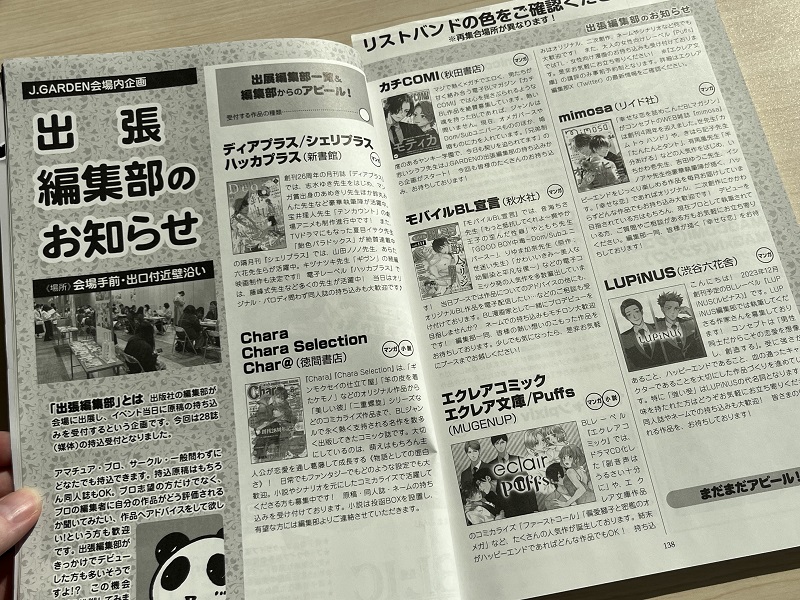
Each publisher booth has posters for famous or new releases, and then a handful of books you can flip through to see if your style suits their brand. For instance, people who like really story-driven, long-form content might want to sit with a publisher like Kodansha. However, if you like big tiddy man boob threesome smut, well… maybe Akita Shoten’s Kachi Komi line might be up your alley.
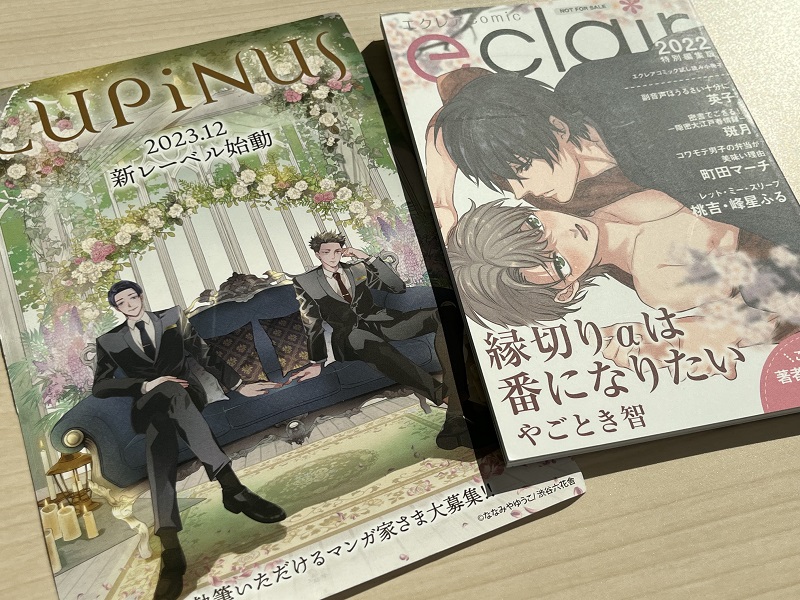
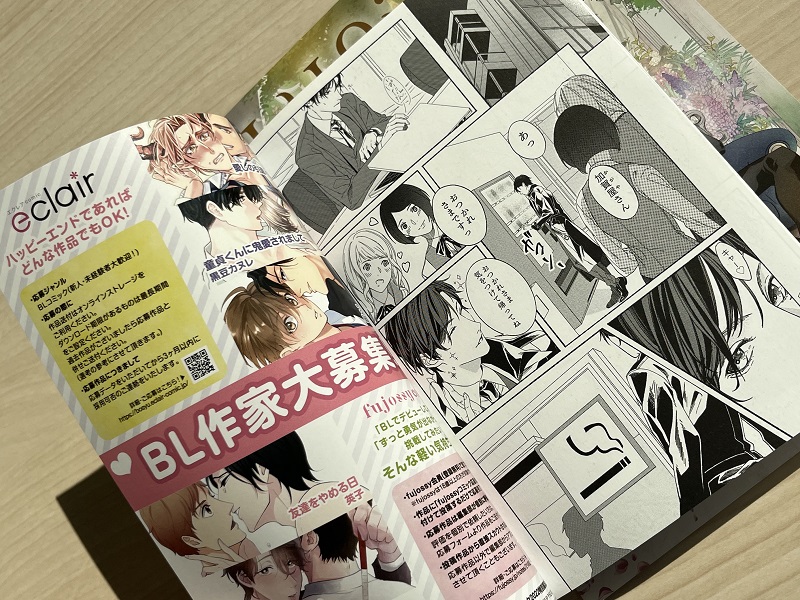
(If you’re interested in the difference between publishers and publishing lines—because, yes, there is a difference—I plan on releasing a breakdown for that in the future!)
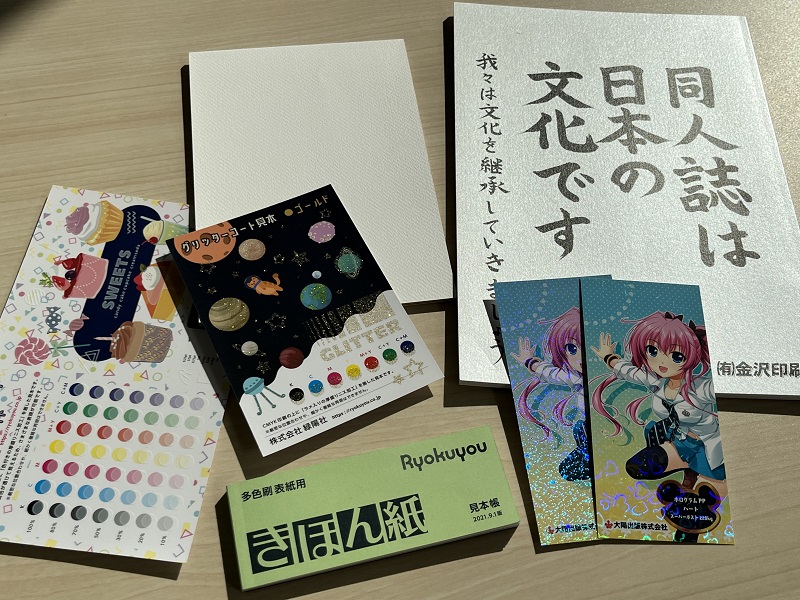
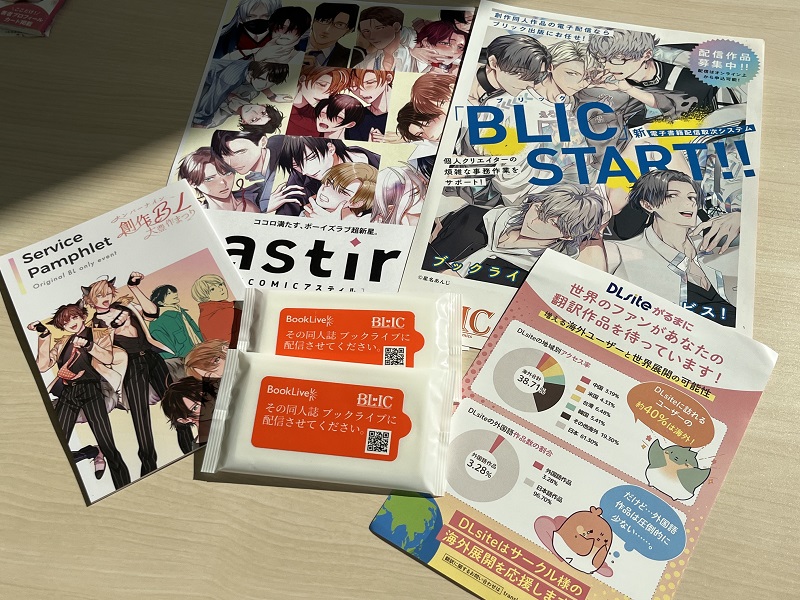
As for the other industry booths, there were a handful of booths for digital publishers and hosts like DLsite and BookLive, as well as printing booths for those interested in publishing their own books. These booths usually provide samples of doujinshi paper in a variety of colors and weights, and also showcase color paper for insert pages, different effects for covers, etc. Do you want your cover to have glossy splatters of off-white liquid? Well, they have an option for that, and a whole postcard showcasing how the splatters will look on a variety of colors. Want shimmery star print? Glossy gold lettering? These printers can do everything to make your book stand out!
As for the digital publisher booths, as discussed in our post about the benefits of digital publishing, more and more digital-only publishers have been springing up lately, happy to cater to every niche of BL fan. While traditional publishing still reigns supreme, digital publishing is also a good way to get your foot in the door to go pro.
That pretty much sums up the available booths at this J.GARDEN, but what about the actual vibe of the event?
As mentioned previously, event days are always a mix of intensely stressful and unbelievably fun. The stress comes from the possibility that the books you might want sell our, or something might randomly go wrong. But, especially once the initial rush is over (usually the first half-hour, when everyone is scrambling to get the handful of books from their “NEED” list), going to events if just fun. Exhausting, but incredibly fun. There’s just something so special and exciting about being in a space where you’re surrounded by your people—you can openly and loudly and excitedly love BL. You can theme your clothes off your favorite character, greet your favorite artists, gush over your favorite content. You know everyone there is there for the same purpose: because they also love BL. That’s the whole point, right?
Plus, one thing I’ve always loved about JP events in particular is that there’s a huge range of people. When I was in Western fandom, there was often a pressure to “grow out” of your interests by a certain age—as if, at 22 years old, you’re forced to check “I will no longer read manga or watch anime or play games” on your tax forms. But in Japan, it’s not uncommon at all to see people in their 60s and 70s wandering from table to table, buying up all the books they’re excited about alongside girls in their late teens (better bring some form of I.D. if you want that porn!) as well as working women in their late 30s and 40s.
Some people are dressed super stylishly, seeing otaku events as something to go all out for. It’s not rare at all to see women with a full set of oshi nails and three-inch heels, dressed in their favorite character’s colors, carrying designer totes that are the perfect size for carrying doujinshi. On the other hand, plenty of others are happy to dress in casual clothes and make the event as comfy as possible. Some people come in groups, or with their boyfriend or girlfriend, and some come alone. Some people look forward to chatting with their favorite artists and giving them gifts and fanletters, while others are happy to just buy the books and quietly leave. There was even a lady with her baby in a stroller, and everyone was happy to make space for her even in the incredibly crowded and frenzied space. Each person brings their own individual style and preferences and circumstances to these kind of events, and there’s no pressure to pick one or the other—so long as you love BL, you’re welcome.
If you drop your money, everyone will scramble to help you pick up your change. If you’re lost, people are happy to point you to the right line. It’s a space that is somehow friendly and kind, but fiery and intense. That’s event days for you.
Anyway, after we were careful to check everything out, Sou and I decided we’d leave for our after party (which in Japanese is simply called アフター, or afutaa). These are usually gatherings you have with friends who helped you table or who went to the event with you, and can range from being at a fancy cafe to a simple family restaurant. For Sou and I, it was more of a work meeting than a proper アフター, since rather than gushing over our favorite BL we were taking notes, studying the pamphlet, and discussing upcoming blog posts.
One thing that was most unfortunate and frustrating was that we wanted to go to a restaurant near the venue (called Coco’s… they have baked potatoes…) but, as expected, it was absolutely packed with a 90 minute wait. Since we were starving (and supposed to be working) we couldn’t just chill and wait 90 minutes, so we instead had to travel a bit to a different family restaurant with a significantly shorter wait, and then spent the next two hours taking notes, marking pages, and discussing the experience.
In closing, I hope everyone who loves BL gets to experience a doujinshi event at least once. They’re a truly magical experience, similar to a convention in the States, but somehow much tighter and more concise. It’s not that all the people near you have the same general hobby, but they love the same thing. The people in line with you are passionate about the same artist. The people tabling are the authors who make the genre flourish. It’s just a wonderful experience.
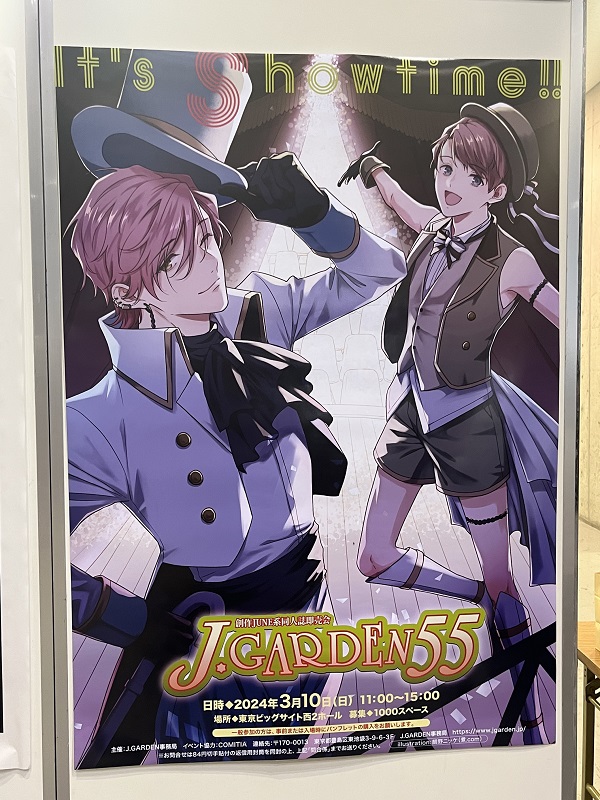
J.GARDEN continues to be a wonderful place for fans and artists to come together and just bask in the glory that is original BL. And there’s no end in sight—J.GARDEN 55 is already planned and ready for applications, with the “specialty” genres already chosen (megane and isekai) and my adored Nikke Taino on the poster and a handful of artists already announcing their intention to participate. You never know who will be there, and who you’ll get to meet, and what books you’ll find. It’s worth keeping an eye on if you want to stay on the pulse of BL.

 rentaBLog
Planning to attend J.Garden 57 as my first event and this post (and the beginners guide for doujinshi events) has been immensely helpful in figuring out how to prepare for it!!
LikeLike