Happy Cat Day! Or 猫の日 (neko no hi) as it’s called in Japan! As we’ve discussed previously on the blog, Japan loves to play word games with numbers (i.e. 8/01 or Yaoi Day, 11/29 or Good Meat Day, etc.), and 2/22 in Japanese can sound like nya-nya-nya, or the sound a cat makes. So, everywhere you look in Tokyo is currently covered in cats: the convenience store has tons of cat sweets and snacks and cat-related campaigns, department stores are hosting pop-up shops for cat-themed goods and toys and accessories, and shelters are obviously taking advantage of the cat festivities with fundraisers and adopt-a-thons! The weeks leading up to 2/22 are a very good time to love cats in Japan.
Family Mart mofusand cat coffee cups for Cat Day.
“What in the world does this have to do with BL manga?” you’re asking? Is this going to be a special about cat boys? How about beasts? Cats who can shape-shift into cute boys and fall in love with other cute boys? Or maybe about boys who love boys but who also love cats? BL where cats are heavily featured?
BZZZZT. You are incorrect.
Highly in-the-know people will probably already see where this is going: this is a post about bottom supremacy.
As quite a few of you may know, the slang for someone who bottoms during gay sex, which originated in gay circles before slowly meandering into the BL consciousness, is neko (ネコ)—or, cat! Well, we actually can’t be certain if cats are the one-to-one reason for “neko” being used. When preparing for this post, I was reading quite a few theories online as to whyneko is used to refer to bottoms. This article about gay slang points out the two most common reasons: it could come from pussycat/pussy (as in… women’s genitals… lovely), but it could also come from the Japanese word for a wheelbarrow, nekoguruma (because this is the way you might hold someone’s legs while you’re… umm… y’know). This article by drag queen and TV personality Mitz Mangrove about cats (in general) also discusses how cats are often seen as feminine in Japan which possibly is what led to neko having become the universal phrase for a man who bottoms.
It appears the true reason neko has turned into the slang for ‘bottom’ is unknown, but the fact still remains: cats and bottoms are now linked.
As the resident number one cat lover and bottom absolutist in this town, I figured I would celebrate Cat Day by discussing uke archetypes, my favorite uke characters that are available on Renta!, and slip in a little cultural/language lesson for good measure.
When the idea of a “guilty pleasures” blog post was floated during one of our BL meetings, I (Ames) was originally not super into it. While the intention was good—creating a space to talk about less-common or accepted niches within the BL sphere—I’m not someone who likes the idea of ‘guiltily’ or ‘ironically’ liking things. (I know, I know—perhaps I’m a bit too serious and sentimental.) In my honest opinion as an ancient BL fan, just enjoying the things you love with your whole ass is most often the way to go.
There’s already so much shame in fan spaces as it is for just enjoying BL on its own, so I’m not so big on adding even more shame by referring to things as “guilty pleasures.” We already agreed this blog would be a positive space for and by BL fans, and I want to uphold that at all costs. So rather than making a post about guilty pleasures, Sou and Alice have shamelessly gone whole-hog talking about the aspects of BL and MLM media they love that maybe gets a little flack sometimes—but who cares? If you love something, love it.
I admittedly wasn’t able to participate in this post this time around, but maybe someday. Nonetheless, I hope you all enjoy Sou and Alice baring their “rotten” souls to the world discussing Mpreg, and assholes.
It’s that time of year again! This past Friday, ChillChill opened voting for the 2024 BL Awards! But I figured there might be some of our readers asking:
“What is ChillChill?” “What are the BL Awards?” “Why does this even matter?”
…which is why I’ve decided to write a post about ChillChill, the BL Awards, the recent history of year-end BL best-of compilations, as well as this year’s nominee pool and what you can actually read on Renta! So let’s just jump right into it!
I feel like anyone even vaguely versed in Japanese BL fandom has heard of ChillChill—that’s the level of impact and importance the site has in the Japanese market. You can barely search a BL artist or title without the site popping up as one of the top results.
ChillChill came onto the scene in 2008, starting out as an indexing and community site. Essentially, it was the BL version of sites like MyAnimeList. You could build a profile, share your favs, post reviews, take part in discussions, find new recommendations through their intense tagging system (which I’ve also discussed briefly in my post about why our community tagging system is important), make friends with similar tastes, etc.
It’s the beginning of February, and you know what this means—it’s the beginning of spring! Uh, wait, no. Or, actually, yes. According to the old lunar calendar in Japan, the 3rd of February (or the 2nd, every four years) marks the separation of Winter and Spring, and is thus called setsubun (節分、”seasonal division”). The next day is officially considered the first day of spring, which is often associated with new beginnings, much as the New Year itself. So Setsubun, as a festival, has a lot to do with cleansing the previous year, to carry on into spring with good fortune.
But there’s also something sinister that happens during this crossing point from one season to the next, and, considering festivals like Walpurgisnacht and such, various cultures seem to agree on this: between seasons, the spirit world approaches our material world, so wandering spirits get too close for comfort. Thus, people had to come up with ways to ward them off.
Setsubun has its origins in the Chinese rituals of tsuina, but it got to its current form during the Muromachi period (1336-1573). Aristocratic households would throw beans into the open air to drive evil spirits out of their home. The practice apparently originates from a legend about a monk on Mt. Kurama, Kyoto (THE hub for a lot of demon legends) that blinded a demon with beans to escape him. The word for bean, “mame” (豆) is pronounced the same way as “demon’s eye” (魔目) and the word is close enough to “mametsu” (魔滅), meaning “destruction of evil”. Hence, the connection between beans and demons.
From the Edo period onward (1603-1867), the practice became a standardized tradition to ward off evil. The ritual is called “mamemaki” (豆まき, bean scattering) and people throw roasted soybeans (fukumame, 福豆, fortune beans) out of the front door. In a somewhat more fun version, the male head of the household will wear an ogre mask and people get to pelt him with beans to drive him out of the house. Either way, people chant “Devils out! Fortune in!” (Oni wa soto! Fuku wa uchi! 鬼は外! 福は内!) to welcome in good luck, while driving out the ill-intentioned demons. Alternatively, you can join in the festivities at a Shinto shrine or Buddhist temple, where the priests will throw beans at attendees; in the bigger venues, celebrities and sumo wrestlers are invited to join in and the events are televised; and, in Kyoto, the festivities also include dances performed by geisha apprentices.
There are other, less known practices, like tying roasted sardine heads to holly sprigs and affixing them to the gate of a house, in order to scare away the demons; or eating a soybean for each year of one’s life, plus one to count in the good luck of the next year; or, you could eat an over-stuffed, long sushi roll in total silence, while facing in the direction determined to be lucky that year (a custom popularized by convenience stores in recent years.)
(Fun fact, in case you’ve encountered this in your Japanese folk/pop culture content: Watanabe no Tsuna, an imperial retainer, is known for slaying a bunch of powerful demons, so families with the surname Watanabe don’t need to practice the ritual, because it’s believed that demons will instinctually stay away from any mention of that name.)
Okay, the bean-pelting is good and all that, but we cannot talk about Setsubun without talking about the protagonists of this auspicious day: oni. They’re a kind of yokai (evil spirit), demon, orc, ogre, or troll in Japanese folklore, their own species of supernatural being in itself. The traditional depiction of oni is as murderous, man-eating monsters hell-bent on causing humans all sorts of trouble, either through trickery or direct violence. In recent years, that depiction seems to have softened somewhat, with folktales about them performing good deeds spreading, as well as their connection to bringing in good fortune.
These horned supernatural creatures have become mainstay figures of Japanese culture, so, of course, they couldn’t be missing from BL! In honor of Setsubun, here are a few works on the Renta! catalog that are all about spicy demon shenanigans:
After Suoh, a struggling novelist, pawns a tiny box that was a family heirloom, his already poor luck takes a turn for the worse. First he trips, then all the money he got scatters in the wind, then he almost gets hit by a truck only to wake up in a strange old man’s house. Taking pity on him, the old man offers him a place to stay—but it turns out this house holds the same demon who’s been haunting his dream. When Suoh accidentally frees him, the demon Jin is desperate to get his powers back—by “devouring” Suoh’s “lifeforce” AKA drinking his bodily fluids. Thus starts a home life where Suoh is desperately dodging Jin’s attempts to pin him down and jerk him off. However, as Suoh sees more of Jin’s softer side as the demon protects him from all the ghouls lured in my his scent, he finds himself disliking Jin’s advances less and less.
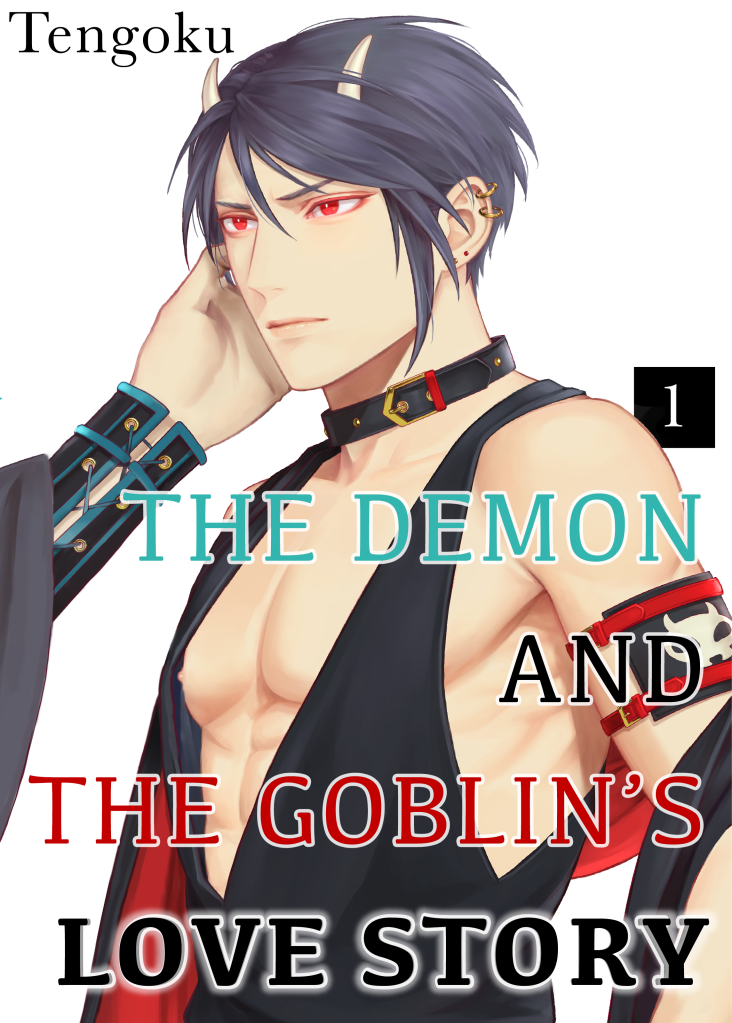
Kurama, a goblin and guardian of the mountain, simply wants to maintain the beauty and peace of his home. One day, he stumbles into the abode of an intimidating gang of demons who have moved to the mountain, and quickly finds out they’re not as scary as they seem. In addition, he is struck by the beauty and kindness of their leader, Hijiri, and falls in love at first sight. But that night, as he’s patrolling the mountain and reveling in the bliss of his newfound crush, he spots his “pure and gorgeous” Hijiri getting railed by another member of his gang. Heartbroken but undeterred, Kurama decides to shoot his shot with the sexy demon, but is Hijiri ready to embrace his feelings…?
(As a personal recommendation note, the demon bottom is basically the BL embodiment of the Big Tiddy Goth GF meme and I cannot get enough of him He wears BLACK NAIL POLISH, I TELL YOU.)
Legendary author of the “Reamed on Livestream” series Merino is back at it again, this time with a new — and very unique — take on the famous Japanese legend of Momotarou, the boy born from a peach. In this BL iteration of the brave children’s story hero, Momotarou is a hedonistic and sadistic playboy who can’t be assed to do much of anything but is extremely horny all the time. Alongside him you’ll also find all the familiar characters from the classic tale, such as Momotarou’s dog, monkey, and pheasant companions, and of course the demons of Demon Island — one of which Momotarou sets his sights on, and proceeds to torture in every kinky way you can imagine. If a tanned tsundere ogre in a tank top and shorts being tied up, humiliated, and ravaged from all directions by the king of DGAF (unless fucking is involved) sounds up your alley, be sure to check it out.
Hot and stylish, this is all about the star-crossed romance between a demon and a human, narrated with tons of sexiness and humor. The Onigami Shrine is dedicated to the worship of demons, who access the physical world through a sacred tree and protect the local human community. Higure, the son of the family tasked with protecting the shrine, is up for a surprise when he turns eighteen, as the sky darkens, thunder booms, and a young demon appears in front of him with a proposal—to make Higure his wife! Well, thing is, Higure does want to get married to Kouen, the demon he had met in childhood and has been in love with ever since, but… not quite the way Kouen had in mind. In an art-style and character designs similar to shonen manga (unsurprisingly, as Yusatona is a huge fan of my own favorite Boku no Hero Academia, if their second Twitter is any proof) , this story is definitely recommended as a first foray into spicy BL; the folklore underlining the plot is an added bonus. All the demons featured are fleshed-out with entertaining personalities, which makes me hope we could see more of them… but the series seems to be at an indefinite hiatus on chapter 3. *sniff* Still, for a quick and easy fix of steamy BL, Yusatona’s human x oni couple’s got you covered.
TW: yandere trope as a whole; emotional, physical and sexual abuse
In my endless rant about yandere BL, the manga that I gave the most love to was Sanayuki Sato’s “The Prefect’s Private Garden” which I can describe confidently as a masterclass in how to write yandere angsty romance. I’m biased, because the story includes a bunch of tropes I adore (TsukihitoTsukihitoTsukihi—), but, to borrow wise words from Sou, you know when you find a manga that hits just right?
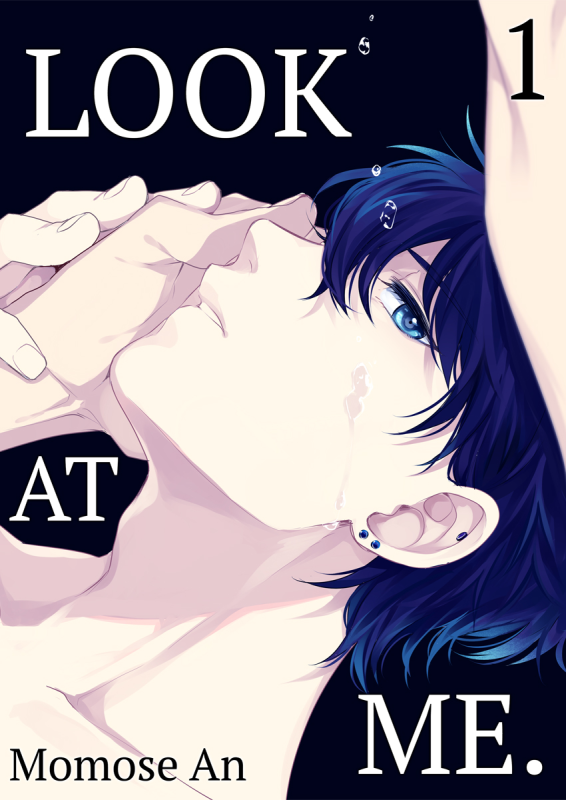
When I heard we’d be getting a Momose An title on the site, I was personally ecstatic. I’m not sure how well-known she is in the West, but Momose An is currently an incredibly popular BL mangaka in Japan. She has two smash-hit, long-running series, Naka Made Aishite (Yuzuriha, my love… I use your LINE stamps every day…) and Osananajimi ja Gaman Dekinai, and her series Shitasaki kara Koi was highly influential for the cakeverse genre. I haven’t seen much fanfare for her overseas, and from what I can tell none of her other stories have been licensed.
Look at Me. is actually one of Momose An’s earliest titles. Published in 2017, you can tell she was still coming into her art style at the time, as this is quite different from the angular and boyish characters she currently draws—but the essence of her style still remains (particularly when she draws the side-views of characters). The art is softer and rounder, but still equally a joy to look at.
The story of Look at Me. centers around childhood friends Kyosuke and Saku. Saku was beautiful from birth, with a gentle and feminine face, so Kyosuke initially mistook him for a girl. Most people, in fact, mistook him for a girl—and were often disappointed to find he wasn’t. Not Kyosuke, though—young and blunt, Kyosuke didn’t care one way or another if Saku was male or female. But unfortunately, Kyosuke was too young to save Saku from an adolescence of trauma, isolation, and loneliness.
Next up in our series of reviews spotlighting some of the manga included in our “Stunning Art Sale” is a manga that’s all about art and finding the beauty in life.
Sorato’s Fill in Coloris a nice blend of cute and awkward boys, fun dramatic irony, and steamy goodness all wrapped up in some gorgeous art.
Our story opens with Saki (the blonde dude on the cover there), a young man working as a freelance designer, trying to drink his woes away after a disappointing meeting with his latest client. Anyone who’s worked in a creative field where your own personal vision is constantly at the mercy of the demons of capitalism should be able to relate to his struggle
On his way home, he runs into a beautiful young man with stunning red hair — stopping him right in his tracks.
Read on to find out how the spontaneous romance between these two develops into something beautiful and meaningful — just like a work of art.
Touched after seeing Masafumi Tsurumi’s painting, “Prostitute in Agony,” in the hallway of their art high school, Kei Higuchi seeks out the other boy to get to know him and pick his brain. While Tsurumi is struggling to paint his vision for his graduation project of the same theme, Higuchi is willing to do anything in his power to assist, hopeful to see Tsurumi’s art at its peak. But Tsurumi is a virgin high school boy—how in the world is he supposed to understand and express the feelings of a proustite as she’s in the throes of passion, being sexually dominated and overcome by pleasure? Thus, when Tsurumi drags Higuchi to the nurse’s office, Higuchi should have seen it coming when Tsurumi requests, “touch me like you’d touch a woman.”
Thus starts their mutually beneficial relationship. By fooling around together, Tsurumi gets to feel what it’s like to be dominated by a man—constantly asking Higuchi to go further and further with him—and perhaps they’ll both find some further inspiration for their upcoming graduation projects while also experiencing real sexual pleasure for the first time.
As Higuchi finds himself catching feelings, though, he’s not sure what to do. Tsurumi is very free-spirited (and honestly rather dumb) and entirely focused on his painting, so he doesn’t seem like the the type to involve his emotions in this kind of situationship. Meanwhile, Tsurumi is secretly finding himself yearning for Higuchi less as an object of inspiration and more as simply an object of desire—at what point does his LARP as a female prostitute end, and his real sexual appetite as a young man begin?
According to Wikipedia, pittosporum is a species of flowering trees and shrubs with leaves that are “spirally arranged or whorled, simple” and flowers “produced singly or in umbels or corymbs, each flower with five sepals and five petals; they are often sweetly scented.” Both times I read Shino Mikami’s Pittosporum, it hadn’t actually occurred to me to even wonder what the name meant. When I looked it up for the review, however, Avas Flowers’ article on the pittosporum came up with the meaning: counterfeit and deceit.
Suddenly, a name for a BL manga that used to seem kind of silly and cute felt quite heavy and sad. Because at its core, Pittosporum is about deceit—deceiving the people around you, and, most importantly, deceiving yourself. And it’s the type of deceit many queer people, in particular, know all too well.
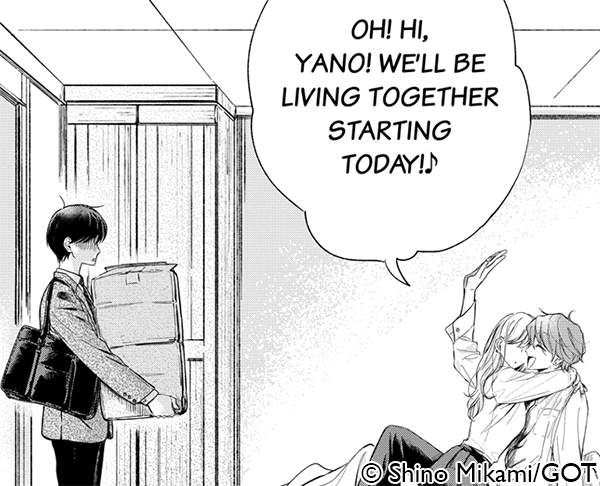
Pittosporum is the story of sweet, diligent Yano who’s worked hard to get into a fancy private school far from home. His family, whom he loves dearly, is incredibly poor so he needs to work hard to get good grades and upkeep his scholarship. A wrench is thrown into his perfect, peaceful high school life, however, when he’s suddenly placed in the dorms with Odajima. Odajima is the playboy rich kid who can get away with whatever he wants because his parents help fund the school. Skipping class, fooling around with female classmates and teachers alike… there’s nothing “serious” or “hardworking” about Odajima—at least not on the surface.
However, lurking below his nonchalant and sardonic exterior is a childhood of trauma and an adolescence of hiding his true self. There will be some spoilers below for much of Odajima’s backstory, and so I highly recommend reading the manga first before moving on to the second half of the review!! The manga itself will be a lot more powerful if you do. 😤
The very first of anything is something to remember—which is why I remember that the very first BL I got to check after joining Renta! was a short rollercoaster of a story, Akota’s “My Perilous Darling Boy”. My trainer back then probably couldn’t have asked for a better vehicle for getting all our style-guide rules into my head: Akota’s stunning art is packed with details, which means that there could easily be mistakes in replacing sound effects; speaking of sound effects, there were many, so you could miss or mistranslate some; and the translation itself, in a story this subtly complex sometimes, was another challenge altogether.
But we’re not here to talk about translation/checking woes, we’re here because I wanna tell you that, aside from the fondness I have for this manga for being my first BL task, I do genuinely love it.
There are too many BL about Japan’s legendary host clubs to count, but this one earned its stripes, in my opinion, by humanizing not only the hosts but also their clients.


 Nonetheless, I hope you all enjoy Sou and Alice baring their “rotten” souls to the world discussing Mpreg, and assholes.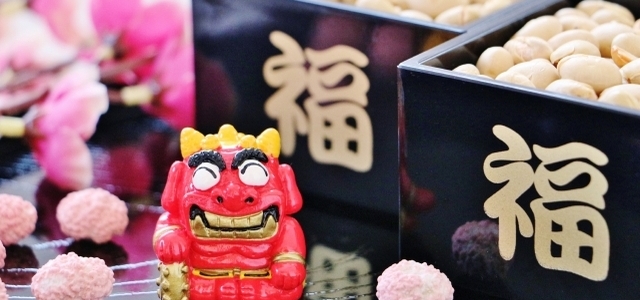






 rentaBLog